
The Philosophy of Precision: Why Australian-Made Structural Steel is Worth the Wait
When imported steel costs half the price, why do more Melbourne builders still choose locally manufactured structural steel? The answer lies in buildings that have weathered Melbourne’s notorious four seasons in a day. Residential structural steel is not just about numbers and specifications. It’s about traceability, precision, and understanding this unique land. As the Australian construction industry races toward year-end projects, choosing the right steel supplier matters more than choosing the cheapest option.
From CAD to CNC: The Precision Chain
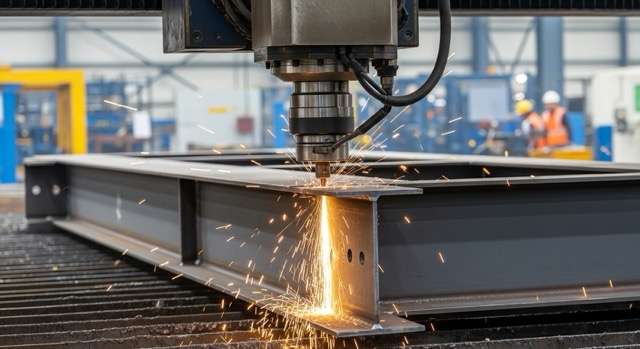
Walk into a modern steel fabrication workshop and you’ll hear the precise cutting of CNC machines. This is not ordinary metalwork but a contest of precision. In residential structural steel manufacturing, tolerances are controlled to the millimetre. Why such high precision? Because when a steel beam must span more than ten metres, even a few millimetres of error can create insurmountable problems on site.
Behind the design of portal frames and mezzanines lies engineers’ deep understanding of mechanical principles. Every connection point, every weld seam, undergoes precise calculation. This is not over-engineering but a commitment to safety. Commercial structural steel projects demand even higher standards, as these buildings often need to bear greater loads and accommodate more people.
From design drawings to finished products, every step involves strict quality control. CAD software transforms architects’ visions into precise numbers, and CNC machines cut and process according to these specifications. In this process, human experience and machine precision combine perfectly. Experienced craftsmen know how to read the language of steel, understanding where extra reinforcement is needed and where designs can be optimised.
The Sovereign Value of Local Steel Mills
In today’s increasingly complex global supply chains, knowing where your steel comes from has become increasingly important. While Australia’s steel industry may be smaller in scale than others, it never compromises on quality control and standardisation. This is not just about national pride but tangible quality assurance.
Australian Standards represent more than just documents. They embody a complete, proven quality management system. From raw material procurement to final product inspection, every step has clear standards and requirements. This standardisation ensures that wherever you are in Melbourne, custom metal fabrication meets the same quality standards.
More importantly, there’s traceability. When you use locally manufactured steel, you can trace back to the source of every tonne, production dates, even the engineers responsible for quality checks. This transparency is nearly impossible with imported steel. When problems arise, this traceability can mean the difference between timely remediation and catastrophic failure.
Government requirements for major infrastructure projects to use Australian-standard steel reflect deeper considerations. This is not just about protecting local industry but ensuring the reliability and safety of critical infrastructure. When buildings relate to public safety, locally sourced, quality-controlled steel is the wisest choice.
Green Steel and the Circular Economy
The steel industry is undergoing a quiet revolution. Breakthroughs in recycled steel technology allow us to manufacture high-quality industrial structural steel in more environmentally friendly ways. Modern steel mills can process various scrap metals, producing products through advanced purification processes that match virgin steel in quality.
This is not just an environmental victory but an economic one. Recycled steel requires only a fraction of the energy needed for virgin steel, directly translating to lower carbon footprints and more reasonable prices. For construction projects focused on sustainability, choosing manufacturers who use recycled steel is a smart decision.
BIM technology applications further drive the green transformation of the steel structure industry. Through three-dimensional modelling and precise calculations, designers can optimise steel usage before projects begin, reducing waste. This digital design not only improves efficiency but makes complex structures more achievable. Whatever building form you can imagine, BIM can calculate the optimal steel structure solution.
Modular construction represents another exciting trend. Steel structure modules prefabricated in factories can be quickly assembled on site, dramatically shortening construction timelines. This method is not only faster but more precise, as most work occurs in controlled factory environments. For projects requiring rapid completion, modular steel structures offer an ideal solution.
Time Management During Summer Construction Season
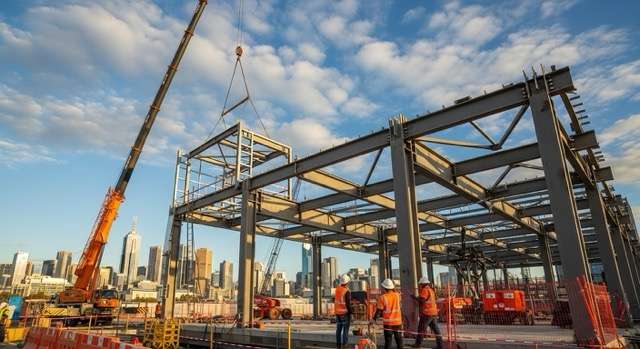
As summer arrives, Australia’s construction industry enters its busiest season. Good weather means more construction days but also tighter schedules. For projects involving steel structures, advance planning becomes crucial.
From preliminary design to final installation, a standard steel structure project goes through multiple stages. First comes design and engineering calculations, which may take several weeks depending on project complexity. Then detailed drawings and approvals, adding more weeks. Actual manufacturing typically requires weeks to months, depending on project scale and factory scheduling.
The Christmas-New Year holiday period represents a special time for Australian construction. If you want your project completed before holidays, start preparing at least two months in advance. This is not manufacturers deliberately delaying but industry reality. Every year at this time, quality steel fabricators’ order books fill up, and being late might mean postponing your project until the new year.
For custom metal fabrication, time planning becomes even more critical. Each custom piece requires individual design, mould preparation, and manufacturing processes. These are not standard products from production lines but solutions tailored specifically for your project. Early communication and clear requirements help manufacturers better arrange production schedules, ensuring timely delivery.
Working with experienced teams makes this process smoother. They understand the industry’s rhythm and know how to optimise processes, shortening delivery times while maintaining quality. Early contact and discussion of your project needs is the first step toward smooth completion.
Trust Behind Precision
In this era of pursuing speed, truly quality steel fabricators are actually slowing down. This is not about low efficiency but high precision. Every steel beam undergoes multiple inspections before leaving the factory because they know these materials will bear not just the weight of buildings but the trust of occupants.
When you choose Australian-made structural steel, you choose the peace of mind that comes from tracing every tonne of steel to its source. You know this steel was produced according to Australian Standards and underwent strict quality control. You know that when problems arise, the manufacturer is right here in Melbourne, able to respond and resolve quickly.
This peace of mind has no price tag. It manifests in the solid confidence after construction completion, in the composure of structures remaining stable years later. In construction, choosing the right materials and the right partners always matters more than choosing the cheapest option.
Note: Technical specifications and industry practices mentioned in this article may change over time. We recommend visiting relevant manufacturers’ official websites or consulting professionals for the latest product information and technical standards.